Showing posts with label art. Show all posts
Showing posts with label art. Show all posts
Wednesday, March 5, 2014

Friday, January 17, 2014
Best and worst license plates
You don’t have to be a museum lover to appreciate fine art. Take the lowly license plate, which appears to have brought out the art snob in drivers across the country, thanks to a new survey that asks people to pick their favorite.
Wyoming tops the list so far, and for good reason. Featuring a cowboy riding a bucking bronco and a snow-capped mountain range in the distance, the colorful plate is also the rarest in the country since the Cowboy State is the least populous and has the fewest registered vehicles. The design’s also got pedigree. Dating back to 1918, the trademarked Bucking Horse & Rider image was first used as the insignia on uniforms worn by the Wyoming National Guard during World War I.
Other plates in the top five are easy on the eyes too: Utah’s cool rock formations earned second place, while the “Sweet Home” Alabama plate came in third – probably because there’s no place you’d rather be than back home when stuck in rush-hour traffic.
Here are the complete Best and Worst plates as judged by more than 4,000 respondents to the CarInsurance.com survey:
Source
Wyoming tops the list so far, and for good reason. Featuring a cowboy riding a bucking bronco and a snow-capped mountain range in the distance, the colorful plate is also the rarest in the country since the Cowboy State is the least populous and has the fewest registered vehicles. The design’s also got pedigree. Dating back to 1918, the trademarked Bucking Horse & Rider image was first used as the insignia on uniforms worn by the Wyoming National Guard during World War I.
Other plates in the top five are easy on the eyes too: Utah’s cool rock formations earned second place, while the “Sweet Home” Alabama plate came in third – probably because there’s no place you’d rather be than back home when stuck in rush-hour traffic.
Here are the complete Best and Worst plates as judged by more than 4,000 respondents to the CarInsurance.com survey:
 |
| Carinsurance.com |
Source
Saturday, November 9, 2013
Salvador Dali may have suffered from hallucinations
 Do you ever experience a crawling sensation across your skin after looking at images of cockroaches, mosquitoes, bedbugs and ticks? These jitters are common, and they tend to pass as soon as the mind moves on. But for some people, the sensation of invisible creepy-crawlers walking across their skin never goes away.
Ekbom’s syndrome, also known as delusional parasitosis, causes people to falsely believe they are infested by bugs on or under their skin. Victims may refer to the invisible invaders as ”insects, larvae, organisms, parasites, worms, and beasties” or, most commonly, bugs. Although the insects do not exist, the condition is almost always accompanied by “tactile hallucinations”—sufferers feel a crawling sensation. Sometimes they even think they see the non-existent insects.
Although this condition only received an official name in the 1930s, it has likely plagued people for much, much longer. A few years before the diagnosis became official, for example, surrealist painter Salvador Dalí reported suffering from an Ekbom’s syndrome-like incident. Popular Science recounts the story:
In 1926, a young Salvador Dalí was lying in a Paris hotel room staring at an insect crawling on the ceiling. This bothered him. Before he had fallen asleep, he had counted two, or maybe three, insects above him. If only one was left, where had the others gone?Convinced that the crawling specks were bed bugs (or roaches or lice or ticks), Dalí frantically checked his sheets and his body to see if he’d been attacked during his nap. He found a small bump attached to his back and ran to a mirror to see if he could get a glimpse. He squeezed the bump with his fingernails to pull it off, but it wouldn’t move. He dug in, drawing blood. Still nothing.
The “bed bug” or “tick,” it turned out, was nothing more than one of Dali’s own moles. That didn’t stop him from whole-heartedly believing the mole was a parasite attacked to his skin, however, or from brutally excising it. As Dali described in his autobiography:
I made a drastic decision, and with the savagery proportionate to my frantic condition and my horror I seized a razor blade, held the tick tightly between my nails and began to cut the interstice between the tick and the skin, which offered an unbelievable resistance. But in a frenzy I cut and cut and cut, blinded by the blood which was already streaming. The tick finally yielded, and half-fainting, I fell to the floor in my own blood.Ekbom’s syndrome can plague people for decades, and it’s possible that Dali—like many of the approximately 100,000 Americans who suffer from this syndrome today—had other episodes. Though in Dalí’s case, at least, he may have reaped creative rewards from his suffering: ants later showed up in his paintings, and in 1929, his famous film collaboration with fellow surrealist Luis Buñuel, Un Chien Andalou, ants crawl out a wound in one man’s hand.
Saturday, September 21, 2013
How to visit the world's best museums without leaving your living room
So what if you live nowhere near cultural epicenters like Paris, London, or New York? In this day and age, the wonders of human creation and artistic expression are never more than a few mouse clicks away.
Virtual museums have been around nearly as long as the Web itself. Established in the dark ages of 1993, the Museum of Computer Art (MoCA) is among the earliest such pioneers. Since then, many of the art world's prestigious institutions—from the Louvre to the Guggenheim—have followed suit and digitized their collections. Even Google has waded into the high art arena with The Google Cultural Institute. In fact, the practice has become quite widespread, which has also allowed smaller organizations and lesser-known artists achieve a level of exposure impossible before the advent of the Internet.
Here's how to navigate just a few of the world's top museums from a browser window. Culture!

The Museum of Fine Arts, Boston
Boston's MFA hosts a staggeringly extensive online collection incorporating works from around the world spanning thousands of years and including the mediums of drawing, painting, sculpture, and ornamentation—even musical instruments. The MFA offers two services: You can explore the museum's various galleries online, clicking through floor by floor and gallery by gallery, or you can take an interactive tour centered around themes ranging from jewelry to John Singer Sargent watercolors. And if you find a work that you really like, you can order an archival replica of it. There's no stated price for the service so assume expensive.

The Louvre
Perhaps the most famous art museum on the planet, the Louvre is home to tens of thousands of works spanning human history and is dotted with masterpieces from the likes of Michelangelo and da Vinci. The museum hosts digital replicas of some 35,000 of these works online in a massive searchable database complete with information about each piece, the artist that created it, and commentary and analysis by the museum's curators. Just look at what comes up for Mona Lisa. Unfortunately, however, the images are not available in a large, zoomable format; they don't allow you to get up close and really examine the artist's technique. For that, you'll need to get to Paris.

The Guggenheim
New York City's Guggenheim Museum offers its visitors a unique visual experience. Rather than divide its collection into rigid departments, the museum's curators freely distribute pieces up the facility's long-winding promenade, mixing up-and-coming artists alongside masters like Jackson Pollock and Andy Warhol. If only it could arrange its online offerings in a similar manner. As they are now, the Guggenheim's online collection is starkly divided by artist, medium, and age of the work. On the other hand, the museum does provide extensive background information on all of its works and featured artists, which should greatly help neophyte modern art fans tell which end of the painting goes up.

The National Gallery of Art
The National Gallery of Art was once one of the largest private collections in the country, belonging to financier and former Secretary of the Treasury, Andrew Mellon. But not only did Mellon donate his substantial art collection to the American people in 1936, he went ahead and financed the museum to hold it as well. The collection includes historic paintings, drawings, and sculptures from the Americas, Europe, and East Asia. Well over 30,000 works in all are available for your online perusal with an intense zoom feature that can reveal individual brush strokes.

The Smithsonian American Art Museum
For an all-American art experience, the Smithsonian's American Art Museum offers dozens upon dozens of permanent online collections spanning our nation's 237-year existence. From indigenous basketry to Civil War crafts to the art of the Harlem Renaissance, the SAAM's online collection reads like a cultural history of the nation.

The British Museum
The British Museum's online collection rivals that of the Louvre. With works spanning the globe and history from ancient African tribal relics to modern Japanese pop art. While the online category offerings are certainly extensive, they suffer the same relatively small image sizes as the Louvre, preventing you from examining the works as well as you'd want.

Almost Everywhere Else
In the few years since Google Street View began mapping the insides of the world's museums, it's amassed a huge collection of tourables big and small. Not only can you walk through each of the 46 offered locations, you can click through to Google Art Project for a closer, cleanly formatted look at individual pieces, complete with helpful descriptions.
It's important to remember that while these online museum tours provide a valuable and important cultural resource, they're no substitute for actually being in the room with a masterpiece. If you enjoy art, you owe it to yourself to visit these institutions in person. But at least when you do you'll have a solid head start.
Virtual museums have been around nearly as long as the Web itself. Established in the dark ages of 1993, the Museum of Computer Art (MoCA) is among the earliest such pioneers. Since then, many of the art world's prestigious institutions—from the Louvre to the Guggenheim—have followed suit and digitized their collections. Even Google has waded into the high art arena with The Google Cultural Institute. In fact, the practice has become quite widespread, which has also allowed smaller organizations and lesser-known artists achieve a level of exposure impossible before the advent of the Internet.
Here's how to navigate just a few of the world's top museums from a browser window. Culture!
The Museum of Fine Arts, Boston
Boston's MFA hosts a staggeringly extensive online collection incorporating works from around the world spanning thousands of years and including the mediums of drawing, painting, sculpture, and ornamentation—even musical instruments. The MFA offers two services: You can explore the museum's various galleries online, clicking through floor by floor and gallery by gallery, or you can take an interactive tour centered around themes ranging from jewelry to John Singer Sargent watercolors. And if you find a work that you really like, you can order an archival replica of it. There's no stated price for the service so assume expensive.
The Louvre
Perhaps the most famous art museum on the planet, the Louvre is home to tens of thousands of works spanning human history and is dotted with masterpieces from the likes of Michelangelo and da Vinci. The museum hosts digital replicas of some 35,000 of these works online in a massive searchable database complete with information about each piece, the artist that created it, and commentary and analysis by the museum's curators. Just look at what comes up for Mona Lisa. Unfortunately, however, the images are not available in a large, zoomable format; they don't allow you to get up close and really examine the artist's technique. For that, you'll need to get to Paris.
The Guggenheim
New York City's Guggenheim Museum offers its visitors a unique visual experience. Rather than divide its collection into rigid departments, the museum's curators freely distribute pieces up the facility's long-winding promenade, mixing up-and-coming artists alongside masters like Jackson Pollock and Andy Warhol. If only it could arrange its online offerings in a similar manner. As they are now, the Guggenheim's online collection is starkly divided by artist, medium, and age of the work. On the other hand, the museum does provide extensive background information on all of its works and featured artists, which should greatly help neophyte modern art fans tell which end of the painting goes up.
The National Gallery of Art
The National Gallery of Art was once one of the largest private collections in the country, belonging to financier and former Secretary of the Treasury, Andrew Mellon. But not only did Mellon donate his substantial art collection to the American people in 1936, he went ahead and financed the museum to hold it as well. The collection includes historic paintings, drawings, and sculptures from the Americas, Europe, and East Asia. Well over 30,000 works in all are available for your online perusal with an intense zoom feature that can reveal individual brush strokes.
The Smithsonian American Art Museum
For an all-American art experience, the Smithsonian's American Art Museum offers dozens upon dozens of permanent online collections spanning our nation's 237-year existence. From indigenous basketry to Civil War crafts to the art of the Harlem Renaissance, the SAAM's online collection reads like a cultural history of the nation.
The British Museum
The British Museum's online collection rivals that of the Louvre. With works spanning the globe and history from ancient African tribal relics to modern Japanese pop art. While the online category offerings are certainly extensive, they suffer the same relatively small image sizes as the Louvre, preventing you from examining the works as well as you'd want.
Almost Everywhere Else
In the few years since Google Street View began mapping the insides of the world's museums, it's amassed a huge collection of tourables big and small. Not only can you walk through each of the 46 offered locations, you can click through to Google Art Project for a closer, cleanly formatted look at individual pieces, complete with helpful descriptions.
It's important to remember that while these online museum tours provide a valuable and important cultural resource, they're no substitute for actually being in the room with a masterpiece. If you enjoy art, you owe it to yourself to visit these institutions in person. But at least when you do you'll have a solid head start.
Thursday, September 19, 2013
Will and Kate fight Down syndrome stigma is a beautiful way
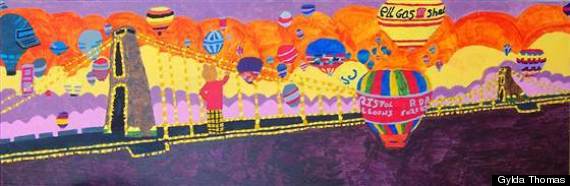
Prince William and Kate Middleton usually shirk gifts for special occasions, but they recently made an exception for an artist with Down syndrome, TODAY reported.Tazia Fawley, 43, spent six months crafting a bright painting of children’s classic Rupert the Bear flying over a bridge in the Bristol Balloon Festival in England in hopes that the royal couple would accept it and hang it in their home.
After the artist completed her piece, Suzie Moffat, director of Heart & Sold, an organization that promotes artists with Down syndrome, took a photo of it and sent it on to the palace to see if the new parents would be interested in it. Soon after, she received an enthusiastic note from the couple saying they would gladly welcome the work of art.
It was a move that Fawley’s mother says will encourage other people with Down syndrome to pursue their dreams, and will also help to chip away at the stigma that still surrounds Down syndrome in the UK, according to Moffat.

“In England, there always has been a stigma attached to (Down syndrome), and now that is washed away by the fact that the Duke and Duchess have accepted that painting,’’ Moffat told TODAY. “For this to happen, it’s kind of turned that negativity around.”
The fact that Will and Kate made an exception at all is pretty astounding in and of itself.
When the two got married in 2011, they asked well wishers to, instead of buying gifts, donate money to charity in their honor. Altogether, Will and Kate donated $1.6 million to 26 charities that have “particular resonance" with the pair and "reflect issues in which the couple have been particularly interested in their lives to date," the palace said in a statement in 2011, according to the Associated Press.
The news of Will and Kate’s latest inspiring act comes on the day the prince announced his retirement from the military, a transition that will allow him to spend more time with his growing family and to focus on his charitable work.
We can’t wait to see what he has next in store.
Source
Thursday, August 8, 2013
Fourteen best dates in DC that aren't dinner and a movie
PHILLIPS AFTER 5: Phillips After 5 is a great date destination because it's about three dates in one — an art museum, live entertainment, and booze and snacks. The event only happens on the first Thursday of each month, so the date will be all the more special. New exhibits are frequently added to the collection and cover lots of art styles. Music, discussions, and food vary month to month; August's, for example, will feature local food truck specialties, a jazz violinist, and area distillers talking about cocktails. Promising evenings can continue after the 8:30 close in nearby Dupont Circle. Definitely make reservations in advance online ($12 per person) and bring cash for drink tickets. —Nicole Dubowitz
Phillips After 5 take place on the first Thursday of every month at 1600 21st St NW.
FIRST FRIDAY: I’ve always hated museum dates, mostly because I think it’s an inefficient way of both seeing a museum and getting to know your date. First Friday, on the other hand, is just the right blend of art, culture, and a dash of free wine. On the first Friday of every month, a host of Dupont Circle’s galleries stay open late, plying gallery crawlers with the promise of interesting art, wine, and snacks. You don’t have to be an art history buff to take in the scene—in fact, it’s much more fun to take turns making faux-erudite comments, such as “I really enjoy the artist’s use of negative space,” and “Did you know that white is the absence of color”? (Remember, the wine definitely makes you sound smarter.) Whatever route you choose, I recommend ending up at the Hillyer (9 Hillyer Court NW), which usually has some pretty edgy, conversation-worthy pieces. — Alicia Mazzara
First Friday takes place between 6 p.m. and 9 p.m. on the first Friday of the month, mostly around 21st and R Streets NW.
CHURCH OF SCIENTOLOGY TOURS: A few friends have made dates out of a tour the Founding Church of Scientology on 16th Street NW, followed by a visit to a nearby bar or restaurant to rehash it. Assuming you both don't get indoctrinated (or just one of you, because that would be awkward) it could be a fun time to learn about something completely different, and maybe figure out why Tom Cruise, Beck and others are so into it. In 1955, L. Ron Hubbard founded Scientology in D.C. a few blocks from the building, which is on the corner of 16th and K. Keep in mind, they may try to convince you to join, that your body is full of the spirits of people that an intergalactic dictator named Xenu flew to Earth, dropped into volcanoes and killed with hydrogen bombs 75 million years ago, and so on. Fun stops afterwards could include Townhouse on R Street, Kramerbooks & Afterwords on Connecticut Avenue, or the new Thomas Foolery on P Street, for more silliness. — Andrew Wiseman
The Church of Scientology is located at 1424 16th Street NW.
 H STREET CORRIDOR: Plan a full evening of date activities, from dinner to a show to drinks afterward, on H Street NE without having to wander more than a few blocks. Begin the night by sharing a massive serving of Schweinshaxn (pork shank), washed down with half or full liters of German beer, at Biergarten Haus. The back patio is open year-round, a lovely beer garden in the summer and a cozy fireplace-warmed space in the winter months. Then, make your way to a show. Atlas Performing Arts Center is just down the street and offers a variety of date-worthy events: dance, theater, storytelling. Or, for something edgier, catch live music (or an Air Sex Competition) at the Rock and Roll Hotel. If you're still enjoying each other's company by this time in the evening, grab a slice at Dangerously Delicious Pies, open 'til midnight Monday through Thursday and 3:30 a.m. on Fridays and Saturdays. Then, toast your excellent evening with drinks and dancing at Sticky Rice.—Elisabeth Grant
Biergarten Haus is located at 1355 H Street NE; the Atlas Performing Arts Center is located at 1333 H Street NE; the Rock and Roll Hotel is located at 1353 H Street NE; Dangerously Delicious Pies is located at 1339 H Street NE; Sticky Rice is located at 1224 H Street NE.
SENSORY DEPRIVATION TANKS: For reasons still slightly beyond my comprehension, my boyfriend has been lobbying for us to take a his and her trip to a spa offering floatation therapy. Visitors spend an hour in a sensory deprivation tank, a dark pod filled with salty, body-temperature water and a complete absence of sound. Proponents claim it promotes a state of total and utter relaxation unrivaled by even the best massage, as well as a state of mental clarity akin to meditation. I personally am afraid of going totally mental from listening to the sound of my own heart beat while trapped inside a tiny, watery capsule. And that would be unromantic. But if floating your cares away sounds like great a way to bring you and your partner together, a dunk in a sensory deprivation tank might be the wacko date idea for you.—Alicia Mazzara
You can deprive your senses at Hope Floats in Bethesda (6405 Redwing Road) or Om Float Spa in Manassas.
Phillips After 5 take place on the first Thursday of every month at 1600 21st St NW.
FIRST FRIDAY: I’ve always hated museum dates, mostly because I think it’s an inefficient way of both seeing a museum and getting to know your date. First Friday, on the other hand, is just the right blend of art, culture, and a dash of free wine. On the first Friday of every month, a host of Dupont Circle’s galleries stay open late, plying gallery crawlers with the promise of interesting art, wine, and snacks. You don’t have to be an art history buff to take in the scene—in fact, it’s much more fun to take turns making faux-erudite comments, such as “I really enjoy the artist’s use of negative space,” and “Did you know that white is the absence of color”? (Remember, the wine definitely makes you sound smarter.) Whatever route you choose, I recommend ending up at the Hillyer (9 Hillyer Court NW), which usually has some pretty edgy, conversation-worthy pieces. — Alicia Mazzara
First Friday takes place between 6 p.m. and 9 p.m. on the first Friday of the month, mostly around 21st and R Streets NW.
CHURCH OF SCIENTOLOGY TOURS: A few friends have made dates out of a tour the Founding Church of Scientology on 16th Street NW, followed by a visit to a nearby bar or restaurant to rehash it. Assuming you both don't get indoctrinated (or just one of you, because that would be awkward) it could be a fun time to learn about something completely different, and maybe figure out why Tom Cruise, Beck and others are so into it. In 1955, L. Ron Hubbard founded Scientology in D.C. a few blocks from the building, which is on the corner of 16th and K. Keep in mind, they may try to convince you to join, that your body is full of the spirits of people that an intergalactic dictator named Xenu flew to Earth, dropped into volcanoes and killed with hydrogen bombs 75 million years ago, and so on. Fun stops afterwards could include Townhouse on R Street, Kramerbooks & Afterwords on Connecticut Avenue, or the new Thomas Foolery on P Street, for more silliness. — Andrew Wiseman
The Church of Scientology is located at 1424 16th Street NW.

Biergarten Haus is located at 1355 H Street NE; the Atlas Performing Arts Center is located at 1333 H Street NE; the Rock and Roll Hotel is located at 1353 H Street NE; Dangerously Delicious Pies is located at 1339 H Street NE; Sticky Rice is located at 1224 H Street NE.
SENSORY DEPRIVATION TANKS: For reasons still slightly beyond my comprehension, my boyfriend has been lobbying for us to take a his and her trip to a spa offering floatation therapy. Visitors spend an hour in a sensory deprivation tank, a dark pod filled with salty, body-temperature water and a complete absence of sound. Proponents claim it promotes a state of total and utter relaxation unrivaled by even the best massage, as well as a state of mental clarity akin to meditation. I personally am afraid of going totally mental from listening to the sound of my own heart beat while trapped inside a tiny, watery capsule. And that would be unromantic. But if floating your cares away sounds like great a way to bring you and your partner together, a dunk in a sensory deprivation tank might be the wacko date idea for you.—Alicia Mazzara
You can deprive your senses at Hope Floats in Bethesda (6405 Redwing Road) or Om Float Spa in Manassas.
Monday, June 24, 2013
Saturday, July 28, 2012
Wednesday, July 25, 2012
Banksy's recent work concerning the Olympics


Banksy strikes again. Even as the authorities crack down on graffiti artists in the run-up to the games (to make the city safe for all that branding, presumably), the U.K.'s most famous street artist is refusing to sit out the festivities. So far, two new Olympic-themed pieces have emerged, both brimming with the kind of subversive wit that helped inspire the recent Brandalism project.
The first piece depicts a javelin thrower, who has apparently upgraded to much heavier artillery. The second work is the showier of the two, playfully integrating the surroundings into the piece. It’s an image of a pole vaulter who has just released his grip on the pole and is about to fly over a barbed-wired enclosure. The detail-work in the way the Olympian’s body is positioned makes it look as though he really is flying over that fence.
It remains to be seen if these two images are just the beginning of a bigger push from the artist as the games get under way later this week and if the graffiti police will actually make good on their promise to power wash away the works that appear pre-games.
Source
Sunday, July 15, 2012
Palette finder

Whether you're looking to redecorate your apartment or find a matching outfit to wear, this cool website can help you out. The palette search tool helps you find matching colors by searching just one color or a theme. It uses images from art and nature to put together a comprehensive palette. I definitely had some fun playing around with it.
Wednesday, June 27, 2012
Sunday, June 24, 2012
Saturday, May 12, 2012
Famous paintings recreated with jelly beans
Artist Kristen Cumings recreated famous paintings with Jelly Belly jelly beans. Kristen takes anywhere from around 9,000 to 12,000 jelly beans and about 50-60 hours to create these life sized recreations!


Monday, March 12, 2012


Wednesday, February 22, 2012
Friday, February 3, 2012
Going Underground
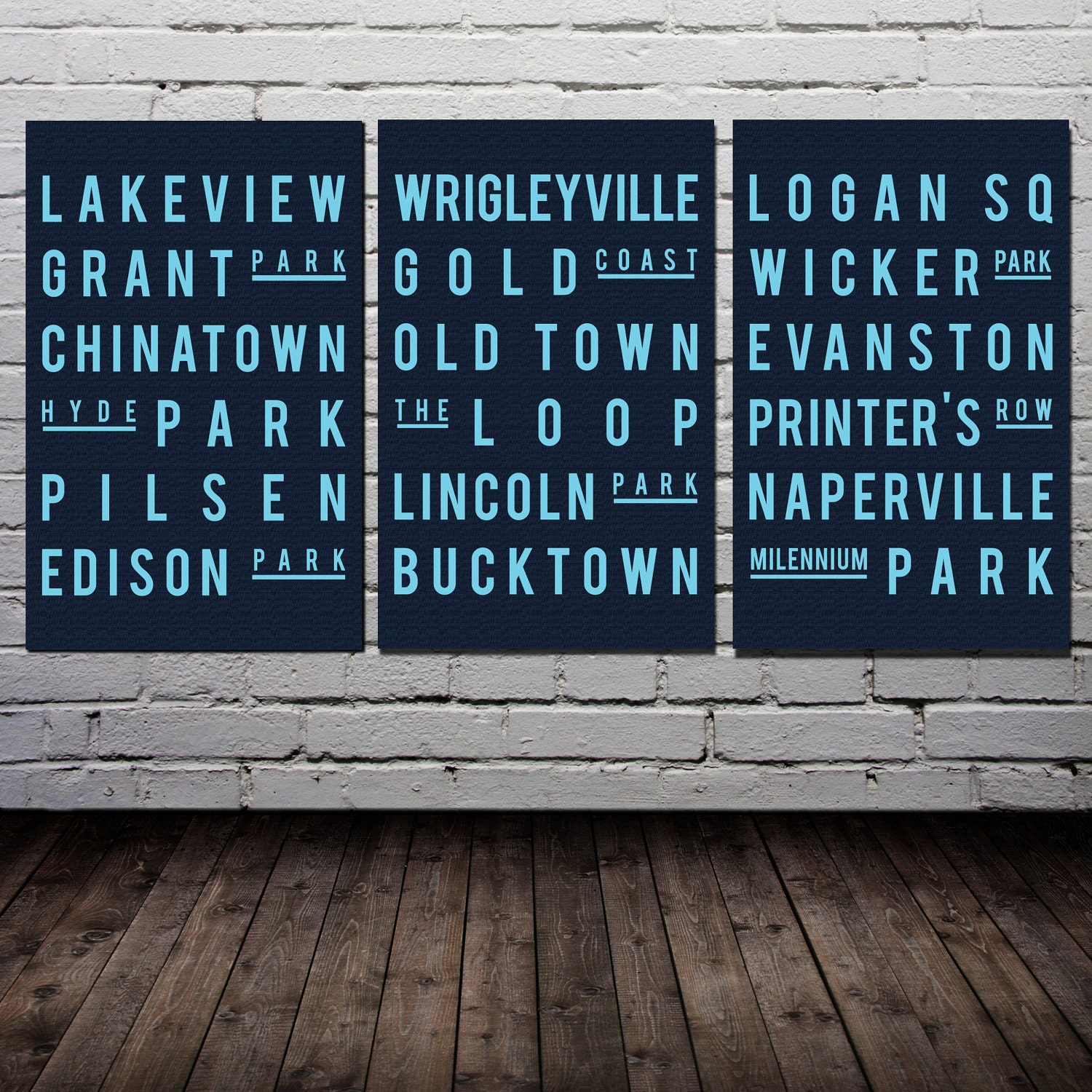
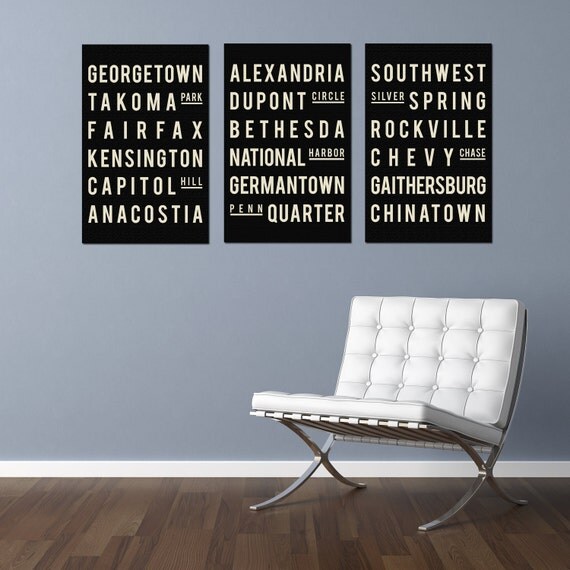
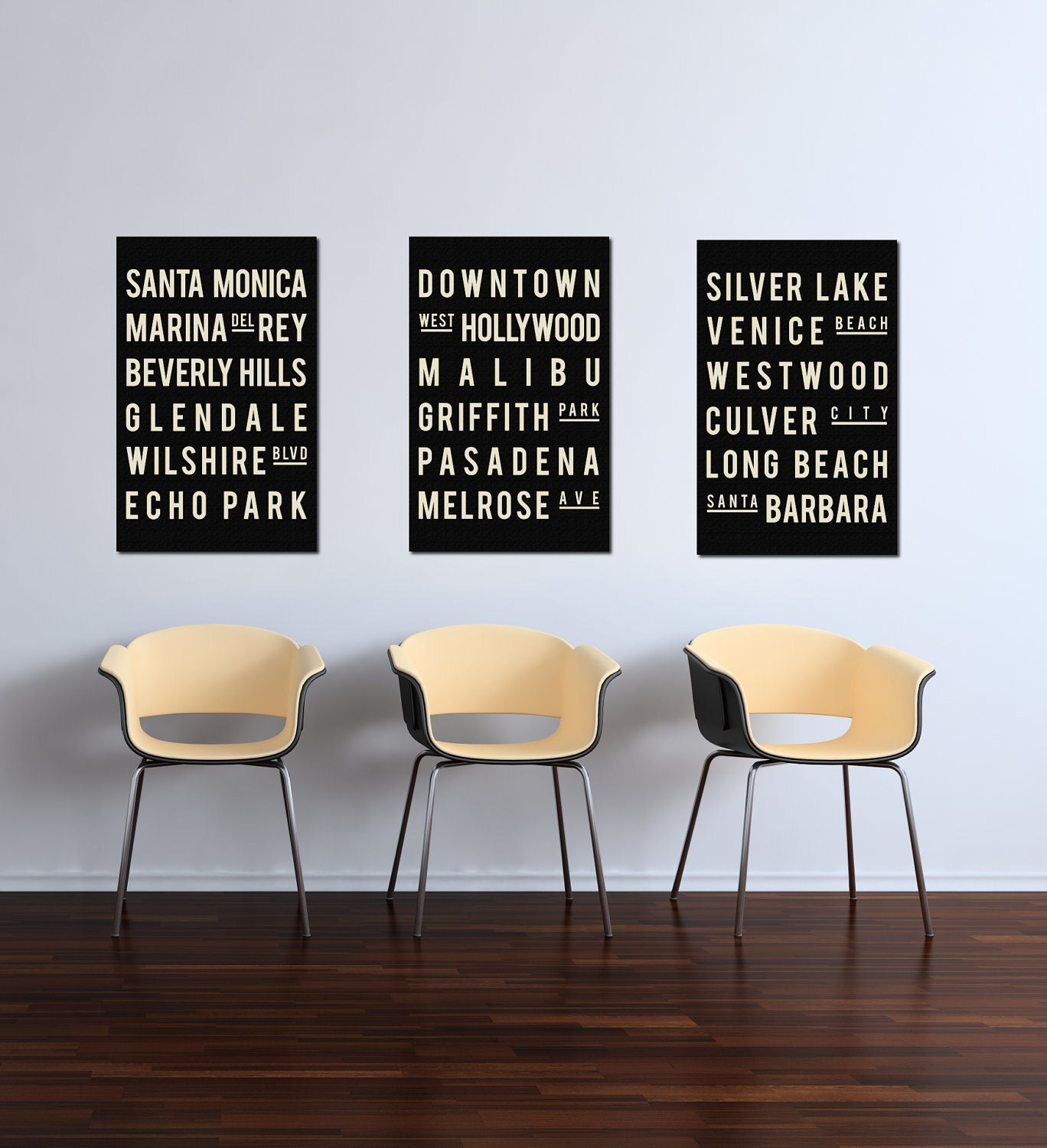
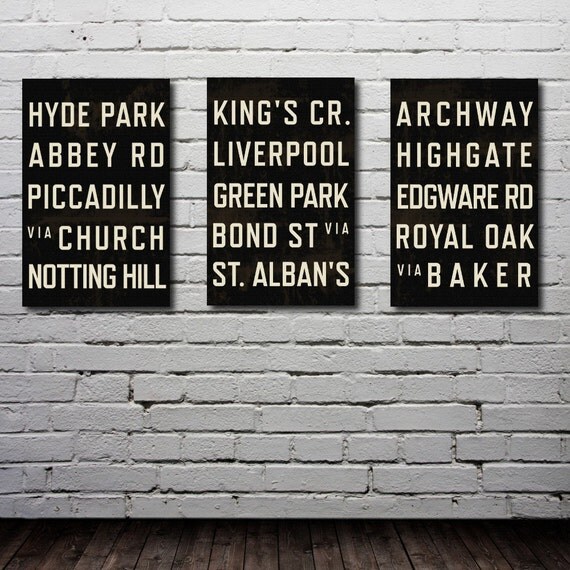
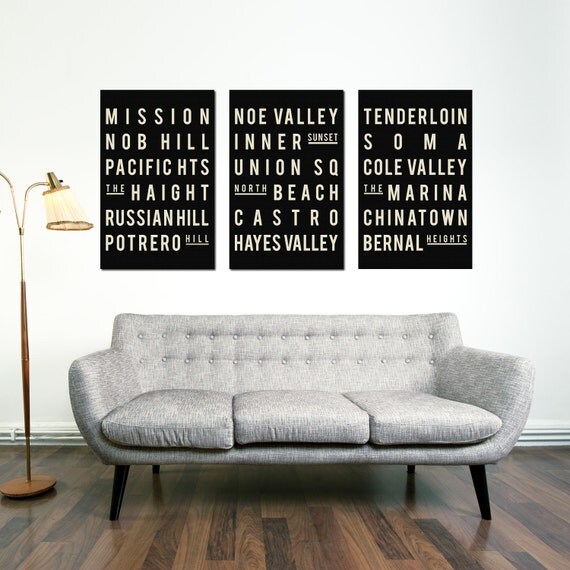
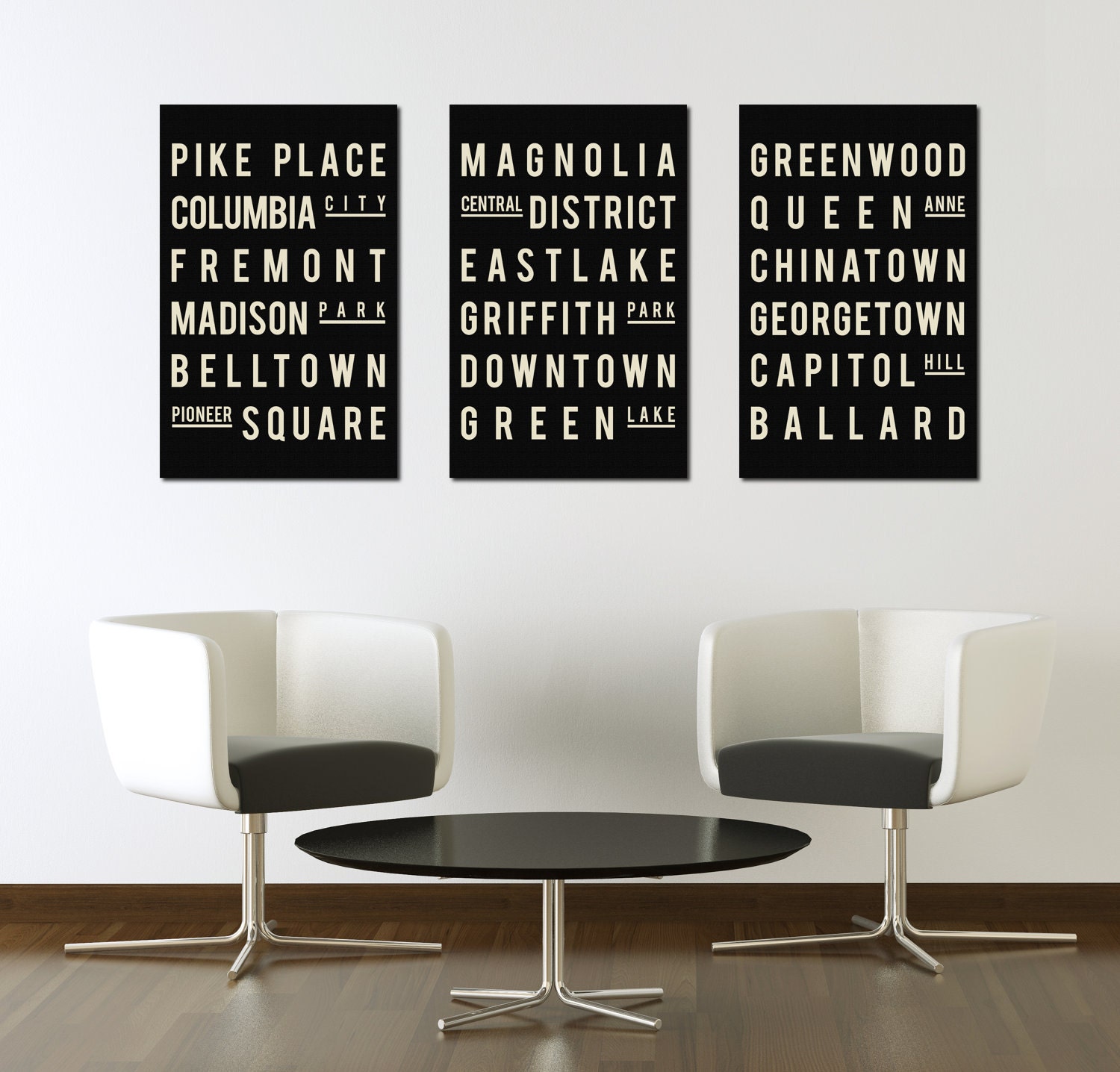
These are awesome posters that detail the train routes from cities around the globe. Fab.com is having a sale on them so if you're interested then I would sign up!
Chicago

Washington DC

Los Angeles

London

San Francisco

Boston

Seattle

Chicago
Washington DC
Los Angeles
London
San Francisco
Boston

Seattle
Sunday, January 22, 2012
Bullet portraits of those killed by bullets
David Palmer uses an art medium associated with hunting or war. Looking at the bullets he saw a different intention for them.


Wednesday, January 11, 2012
Saturday, January 7, 2012


Tuesday, January 3, 2012
Pencil vs. camera
"Pencil Vs Camera" is an imaginative and fun series by Belgian visual artist Ben Heine that began in 2010. Blending photography and drawings, Heine brings together real photographs with fantastical sketches into a fascinating mixed medium where the artist's hand is always present in the images to represent the connection between viewer, artist and artwork.


See more here.
Subscribe to:
Posts (Atom)