Showing posts with label travel. Show all posts

Monday, January 5, 2015

Google's self-driving car not ready for the market

There’s no arguing that Google’s self-driving car is a thrilling development worthy of enthusiastic discussion, but there are a number of reasons to rain on this parade – rain itself, for one thing. That’s because the autonomous automobile has yet to prove that it can drive through heavy rain, not to mention snow, parking garages and many other everyday driving scenarios.

Despite the more than 700,000 miles Google’s self-driving cars have traversed so far, they still have many hurdles to overcome. While the cars can slow down or stop when traffic or obstacles are detected, they aren’t able to know if a new stoplight pops up overnight, according to the MIT Technology Review. The cars can detect and stop at unmapped stop signs, but a four-way stop may cause them to be overly slow and cautious.

Google’s self-driving cars have yet to prove they can handle other common driving scenarios (at least in some parts of the country): snow, heavy rain, open parking lots, multilevel parking garages and construction zones. Also, the cars’ sensors are blinded when the sun is directly behind a traffic light.

These issues and others remain unsolved because engineers haven’t gotten around to addressing them yet, according to Chris Urmson, director of the Google Self-Driving Car Project. Nevertheless, he expects solutions are “going to happen more quickly than many people think.”

Other automakers, including Nissan and Mercedes-Benz, haven’t been shy about their plans to manufacture autonomous cars. However, technological and financial limitations are putting heavy onus on the artificial intelligence behind the wheel, so to speak. We may still be a decade or so away from seeing self-driving cars in our blind spots.

Monday, March 31, 2014

Airbnb is possibly worth $1 billion

AP
Airbnb, the short-term couch and apartment rental site, could be worth more than some major hotel chains, if a deal that's in "advanced" stages of talks goes through. That's according to the Wall Street Journal, which notes that the plan to raise money for the site would place its value over $10 billion. That's more than hotel giants Wyndham Worldwide Corp. ($9.4 billion) and Hyatt Hotels Corp. ($8.4 billion).

While obviously a success, Airbnb has not been without controversy: for one thing, horror stories of rentals gone bad seem to regularly crop up in the news. Just this week, a New Yorker very nearly ended up with an "XXX freak fest" in his apartment after renting his home out for a night through the service. While he stopped the orgy before it began, Ari Teman now faces the possibility of eviction.

Plus, New York Attorney General Eric Schneiderman subpoenaed the company for its user data in order to determine whether the company allows some residents to break a 2010 law limiting short-term apartment rentals. But Airbnb has recently teased plans to expand its services into to other areas of the hospitality industry — picking up renters from the airport at the start of their trip, for instance. According to Time, the company has said it wants to become "the Apple of the hospitality business."

In 2012, the company did a fundraising round that put its valuation in the $2.5 billion range, according to a few reports. Airbnb hasn't yet disclosed its profitability or revenue, according to the Journal. There are currently about 600,000 rental listings on the site. For each successful listing, the company gets a portion of the rental fee.

Source

Thursday, March 20, 2014

The best walks in the U.S.'s most walkable cities

New York City

The Big Apple earns Most Walkable City distinction, thanks to its high density of cultural institutions, restaurants, parks, and public transportation services (for the return trip, if you don’t care to hoof it), especially in the boroughs of Manhattan and Brooklyn. In fact, many New Yorkers go their entire lives without ever owning a car.

Best Walk: Central Park
You can’t beat the smooth, rolling hills and lush greenery of Central Park, says Lon Wilson, president of the New York Walkers Club and a national racewalking champion. (In fact, his club holds walking clinics in the park every Saturday at 9:30 a.m.) For a nice 4.1-mile jaunt around the park’s famous Jacqueline Kennedy Onassis Reservoir, enter at East 90th Street and 5th Avenue and turn right, heading north, onto East Drive. Turn left at the transverse at roughly 106th Street, then left again (heading south) onto West Drive. Make another left at the 72nd Street Transverse (also known as Terrace Drive), and one more (heading north again) onto East Drive, back to 90th Street. To access the map, click here.

Alternate Walk: Lower Manhattan and Brooklyn Bridge

For a more urban stroll, start at the 9/11 Memorial on Liberty Street in downtown Manhattan. Walk west to the Hudson River, where you’ll turn left onto the waterfront esplanade. Follow this tranquil walkway around the bottom tip of the island, through South Cove Park and Battery Park and past the Staten Island Ferry and the historic Battery Maritime Building. Continue northeast along what is now the East River Waterfront Esplanade. Just past the South Street Seaport, pass under the FDR Drive and make a left onto Beekman Street, a right onto Pearl Street, a left onto Frankfort Street, and a sharp right onto Park Row, which will take you to the pedestrian entrance (via a tunnel and staircase) for the Brooklyn Bridge. After your 1.5-mile trek across the bridge (four miles for your total trip), take the subway or ride a Citibike back to Manhattan.

San Francisco
California’s City by the Bay has plenty of rewarding views for willing pedestrians. Its 42 hills and more than 600 stairways add an extra challenge, says Aaron Dence, a personal trainer and walk leader for the nonprofit organization Walk SF, but locals and tourists alike learn to love them for the built-in workouts and breathtaking vistas they provide. “Give yourself more time than you think you need for these walks,” says Dence, “since you’ll want to take your time on your way up.”

Best Walk: Chinatown, North Beach, Telegraph Hill, and Jackson Square
Begin this three-mile walk at San Francisco’s iconic Transamerica Pyramid Center, at the intersection of Merchant and Montgomery streets. Walk south on Montgomery and then right onto Clay Street. At the end of Portsmouth Square Plaza, turn right onto Walter U. Lum Place. Walk to the end of the plaza, then turn left on Washington Street. Make a right onto Ross Alley (grab a sample at the Golden Gate Fortune Cookie Factory!), a right onto Jackson Street, and a left onto Grant Avenue. Turn right on Jack Kerouac Alley to pass the famous beat poet hangout City Lights Booksellers, then turn left on Columbus Avenue. At Broadway Street, make a left and walk about 250 feet, then turn around and look up to catch a glimpse of the “Language of the Birds” sculpture, a collection of books seemingly frozen in thin air. Walk back to Columbus Avenue, making a left. Bear right at Stockton Street and walk along—or stroll through—Washington Square Park. At its northern border, turn right on Filbert Street. Follow Filbert Street as it twists and turns and becomes the Filbert Steps, and wander down the intersecting alleys to see picturesque San Francisco homes and gardens. In Levi’s Plaza, bear left at the circle and head north. Make a right onto Battery Street, then a quick left onto Greenwich Street. Follow the road (and stairs) to Telegraph Hill Boulevard, where you can check out a statue of Christopher Columbus overlooking the city. Turn back and head southeast on Telegraph Hill Boulevard to explore Coit Tower and its surrounding grounds. Return to Greenwich Street and turn left (west) out of the park. Turn left on Grant Avenue, then left on Vallejo Street. After the Vallejo Street stairs, turn right on Montgomery Street. Make a left on Gold Street, a right on Balance Street, a right on Jackson Street, and a left on Hotaling Street. Finally, make a left on Washington Street and a right into Transamerica Redwood Park, where your tour comes to an end. To access the map, click here.

Alternate Walk: Nob Hill and Russian Hill
This walk starts outside of Grace Cathedral, at the corner of Sacramento and Taylor streets. Head east on Sacramento Street and turn left on Mason Street, where you’ll pass the San Francisco Cable Car Museum. Turn left on Vallejo Street and follow it up one set of stairs, through Ina Coolbrith Park, and then up another set. Turn right on Jones Street, right on Green Street, left on Taylor Street, and left on Macondray Lane. Continue zigzagging through Russian Hill, turning right on Leavenworth Street, left on Greenwich Street, right on Larkin Street, left on Chestnut Street, and right on Polk Street. From here, turn right on Francisco Street, which curves north into Russian Hill Park. At the end of the park, turn right on Hyde Street and left back onto Francisco Street. Turn right on Leavenworth Street to head south, then make a right on Lombard Street to travel down the city’s “crookedest street,” consisting of eight hairpin turns and flanked by beautiful homes and gardens. To finish the 3.3-mile tour, turn left on Hyde Street, left on Filbert Street, right on Jones Street, left on Vallejo Street, right on Florence Street, left on Broadway Street, and right on Taylor Street to return to Grace Cathedral.

Sunday, March 16, 2014

World's most expensive and inexpensive cities

Move over Tokyo.

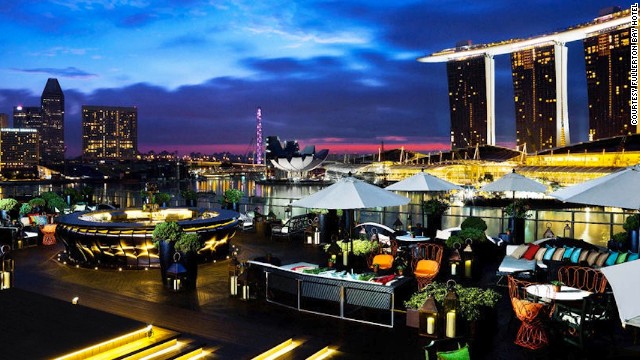
Singapore has dethroned the Japanese capital to become the world's most expensive city in 2014, according to the Economist Intelligence Unit's latest Worldwide Cost of Living survey.

The bi-annual report, which ranks 131 global cities, credits currency appreciation, solid price inflation and high costs of living for Singapore's dubious new distinction.

"Car costs have very high related certificate of entitlement fees attached to them, which makes Singapore significantly more expensive than any other location when it comes to running a car," says the report.

"As a result, transport costs in Singapore are almost three times higher than in New York. In addition, as a city-state with very few natural resources to speak of, Singapore is reliant on other countries for energy and water supplies, making it the third most expensive destination for utility costs."

Singapore is also the priciest place in the world to buy clothes.

Last year's title holder Tokyo, dropped from the top spot to sixth -- tied with Melbourne, Geneva and Caracas.

Tokyo's decline is due to the weaker yen, says the EIU.

World's 10 most expensive cities to live in 2014

1. Singapore

2. Paris

3. Oslo, Norway

4. Zurich, Switzerland

5. Sydney

6. Caracas, Venezuela

6. Geneva, Switzerland

6. Melbourne

6. Tokyo

7. Copenhagen, Denmark

Asia also has the world's cheapest city on the list.

Down at the other end of the 131-city survey, the EIU lists Mumbai as the world's least expensive city to live in. The Indian capital, New Delhi, is third cheapest.

"Although India has been tipped for future growth, much of this is driven by its large population and the untapped potential within the economy," says the EIU.

"Income inequality means that low wages proliferate, driving down household spending and creating many tiers of pricing that keep per capita spending low.

"This, combined with a cheap and plentiful supply of goods into cities, as well as government subsidies on some products, has kept prices down, especially by Western standards."

World's 10 least expensive cities to live in 2014

122. Riyadh, Saudi Arabia

123. Jeddah, Saudi Arabia

124. Panama City, Panama

124. Bucharest, Romania

126. Algiers, Algeria

127. Damascus, Syria

127. Kathmandu, Nepal

129. New Delhi

130. Karachi, Pakistan

131. Mumbai, India

The Worldwide Cost of Living survey is released twice a year by the EIU.

It compares more than 400 individual prices across 160 products and services in 131 cities, including food, drink, clothing, household supplies and personal care items, home rents, transport, utility bills, private schools, domestic help and recreational costs.

In total, more than 50,000 individual prices are collected in each survey.

"The cost-of-living index uses an identical set of weights that is internationally based and not geared toward the spending pattern of any specific nationality," says the EIU. "Items are individually weighted across a range of categories and a comparative index is produced using the relative difference by weighted item."

Flight attendant does a "safety dance"

Friday, March 7, 2014

Places in Europe you never thought you could afford

Getty Images
It'll take more than a discreetly tucked money belt to protect your cash in Europe's most expensive cities. Here's how to experience London, Paris, Venice, and other delightful destinations for a whole lot less than the average traveler.

Oslo, Norway
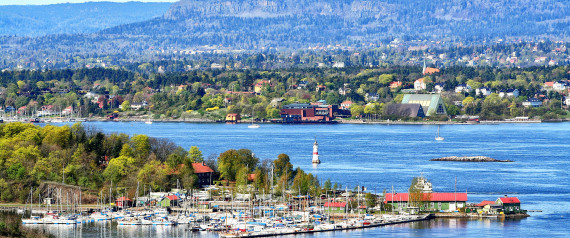
First, the bad news: Oslo earned top billing in our recent list of the world's most overpriced travel destinations, and the Norwegian capital makes it onto just about every other list, survey, and report about the most expensive places to live or visit, too.

But here's the better news: If you're determined, creative, and well informed, you can beat the high prices. Anyone willing to settle for modest accommodations has plenty of affordable options, including hostels, pensions, and guest houses (VisitOslo.com is a good place to start your search). Opt for free attractions like the Vigeland sculpture park and the Akershus Fortress, enjoy the abundance of free parks and gardens, and explore the many beautiful islands accessible by ferry.

If You Want to Save: Don't visit in late fall during the Nobel Prize Award Ceremonies, when accommodations prices are sky-high. And if you've been meaning to do a cleanse, do it during your visit. Alcohol is particularly expensive in Oslo, so you'll save a lot by skipping the drink.

Paris, FranceIt's a classic case of supply and demand. There's only so much Paris to go around, but the city's wild popularity drives prices for this valuable commodity up—way up in some cases. Even if you're a no-frills traveler, you can expect to pay nearly $200 per day for the basics. Luxury hotels run about $600 per night, mid-range hotels average around $210, and bare-bones (but not scary) hotels cost around $70 per night.

However, find ways to live like a local and you'll discover plenty of ways to save. For instance, by booking an apartment rental rather than a hotel room, you'll not only get more space for your money, but you'll also get a kitchen and a fridge. And that can help you cut costs. Because while there's plenty of fabulous food in Paris, there are also a lot of mediocre and overpriced options. Not eating out for every meal frees you up to explore the many wonderful (and less expensive) food purveyors and markets you'd otherwise miss.

If You Want to Save: Don't stick to the beaten tourist paths. Often, by straying just a block or two off heavily trafficked tourist streets such as the Champs-Elysees or rue de la Huchette, you'll find better food and shopping at much more reasonable prices.

Zurich, SwitzerlandYou know who thinks Zurich is expensive? Pretty much anyone who has ever bought a bottle of water, eaten a sandwich, or booked a hotel room there. Zurich regularly clinches a top-three spot on lists measuring the world's most expensive cities. And it's easy to see why: When you visit, you're rubbing shoulders with locals who earn among the highest salaries in the world.

So what's a budget traveler with a hankering for some clean air and a great view of Lake Zurich to do? EuroCheapo suggests a nightly hotel budget of about $170, although travelers willing to sacrifice more amenities and location can sometimes find rates closer to $100. Its editors' picks start at about $89 per night. And if sightseeing is on your itinerary, consider the ZurichCard, which offers considerable savings for anyone who plans on visiting multiple museums, taking tours, and eating out. The card also includes unlimited public transportation, including tram, bus, train, boat, and funicular.

If You Want to Save: Don't take a taxi. Zurich is a beautiful and walkable city, and it has some of the highest cab prices in the world. So strap on those walking shoes and explore the city on foot, by tram, or by free bike.

Venice, ItalyVenice has a starring role on bucket lists around the world, so it's no surprise that it's among Europe's most expensive destinations. You'll have to pay for the privilege of staying somewhere central, and eating out in the city inflates costs quickly. Price of Travel's Three-Star Traveler Index puts the average daily cost for a budget traveler at about $180.

However, the effort it takes to work within a budget can actually yield some pleasant surprises and give you a better sense of the real Venice. You'll find cheaper hotel rooms in less central locations, although getting around Venice is a pricey endeavor, so always factor in transportation costs before deciding on the lowest priced accommodations. When it comes to food, eat like a local and head to a bacaro (a small bar that serves cheap and delicious tapas-like cicheti, or snacks).

If You Want to Save: Don't hop a gondola. The tourist-magnet boats have long been glorified as a part of the Venice visitor experience, but they're wildly expensive and they aren't the only way to appreciate the city by boat. If you're planning on navigating Venice by water, consider a 24-hour travel card, which you'll only need to use about three times to recoup the cost. And if the gondola experience is a must-have, do it on the cheap by finding a traghetto. These large gondolas carry several passengers at a time across the Grand Canal for only a few euros.

Stockholm, SwedenTripAdvisor's recent TripIndex puts Stockholm at the ultra-pricey end of European cities, with an average daily vacation cost of more than $500 (including hotel, taxi, dinner, and cocktails). This makes sense when you consider that according to The Economist's Big Mac Index, the Swedish krona is overvalued by about 36 percent against the U.S. dollar. Modest travel tastes won't protect you from the high prices, either: Price of Travel estimates that the budget-conscious traveler can get by on about $215 per day.

Hotels in Stockholm are expensive, and it's quite difficult to find exceptions to the rule. However, if you're willing to consider a hostel, prices drop. Keep in mind that many hostels offer private rooms with private bathrooms, which can provide a more hotel-like experience, at least while you're sleeping.

If You Want to Save
: Don't visit in summer. Of course, this advice goes for all of these destinations, but Stockholm hotels in particular get crazy expensive during the summer. Spring and fall are comparatively affordable, and you'll still get some daylight during which to admire the city.

Geneva, Switzerland
If you thought the Big Mac Index was damning, wait until you hear this: Geneva clinched the number-one spot on Hotels.com's Club Sandwich Index (CSI), which compares this hotel-menu staple in cities around the world. At around $30, the average price of a club sandwich is an alarming indication of what you should expect to spend on a visit to Geneva. According to UBS CIO Wealth Management Research'sPrices and Earnings report, the cost of a meal in a nice restaurant in Geneva is twice the world average; a stay in a three-star hotel costs around $270 per night.

Geneva may be expensive, but you've got a secret weapon: You can get around for free. The fantastic Geneva Transport Card not only gets you from the airport to your hotel for free, it's also your ticket to unlimited free rides on trams, buses, trains, and yellow taxi boats. Geneva's tourism board also lists discounts and specials on accommodations, tips on where to find free Wi-Fi in the city, and details about theGeneva Pass, which provides discounted admission to visitors planning on hitting multiple sites.

If You Want to Save: Don't eat a club sandwich in a hotel. Seriously, $30 is way too much to pay for any sandwich not made of gold. TripAdvisor and About.com both list some cheaper dining options in this notoriously expensive city.

Moscow, Russia
Moscow consistently ranks among the world's most expensive cities. In Mercer's Cost of Living survey, the Russian capital is ranked the second costliest city for expats, and in the hysterically named Billionaire Census 2013, Moscow's Ostozhenka is listed as one of the 10 most expensive residential streets in the world. And what's expensive for residents is expensive for visitors. We're talking $200 per night for a room at a three-star hotel, $530 per night for a room at a luxe property, and more than $8 for a simple cup of coffee.

Since hotels tend to be pricey, it's worth your while to shop around and book in advance. Comparing rates across sites can yield better results, and looking beyond the city center may give you more affordable options. Remember that you'll need to book far enough in advance to deal with the complicated visa process, which includes getting an official invitation from your hotel.

If You Want to Save: Don't ignore the visa process. Allow plenty of time and follow the steps carefully, since fees to expedite any of the three stages of invitation, application, and registration drive costs up significantly. Paying fines is a waste of travel funds.

London, England
For most travelers, an empty wallet is the by-product, not the intent, of a great trip to London. Expensive hotels, steep taxi rates, and thousands of attractions, shows, and restaurants quickly drain the travel coffers. The city ranks in the TripAdvisor TripIndex's top 10 most expensive cities around the world, with an estimated hotel-meal-drinks-taxi cost of about $450.

Expensive it is, but most travelers can work around London's biggest wallet pitfalls without much trouble. There are so many ways to save, in fact, that Visit London devotes an entire section of its website to the many ways to make the most of London on a tight budget. Check out free attractions, cheap eats, inexpensive accommodations, and affordable days out.

If You Want to Save: Don't pay full price for a show without first checking to see if you can get tickets for less. TimeOut London rounds up some of the most popular ways to save. And some theaters offer discounted tickets at the very last minute if you go to the box office.

Copenhagen, Denmark
Coming in at $170 per day on Price of Travel's 2014 Three-Star Traveler Index for budget travelers, Copenhagen is pricey even if your vacation desires are modest. TripAdvisor's TripIndex ranks Copenhagen among the 10 most expensive international cities for a vacation, putting the cost of a night at a nice hotel, taxi, and dinner and cocktails for two at around $440.

That said, there are definitely ways to maximize your vacation budget. For instance, the Copenhagen Card cuts costs on attractions and transportation. And unlike many city cards, this one allows you to easily calculate how much you're likely to save before you purchase it. The calculator on the right side of the page lets you mark which sites you're likely to visit to compare the cost of the card against the a la carte pricing of individual attractions. And Copenhagen's many inexpensive bicycle-rental companiesallow you to experience the world's top cycling nation from the back of a bike.

If You Want to Save: Don't tip for services. In Denmark, gratuities are built into the price you see, so unless you experienced service that was so above and beyond that you think it deserves additional monetary acknowledgement, don't add extra money to your bill.

Brussels, Belgium
Brussels holds a unique place on this list as a city that is very expensive … some of the time. Headquarters of the European Union and home to the Manneken Pis statue, the city is a surprising mix of serious and playful. It's a city of contrasts, and the hotel prices reflect it. Brussels' standing as a major financial center draws business travelers and often drives up prices. But when the business travelers aren't in town, hotel prices drop and it becomes a more affordable destination for leisure travelers.

Helping things along, Brussels has an impressive number of inexpensive hotels, as well as hostels and B&Bs. It's home to the neo-canteen restaurant movement, built around the idea of fresh, delicious, and affordable food. And its USE-IT service is a tourism benefit targeted at young backpackers, offering free Internet, coffee, advice, and parties.

If You Want to Save: Don't eat in the Quartier de L'Ilot Sacre. The bustling narrow streets cater to tourists, but the food isn't great and there have been reports of a number of scams, including large-scale credit card fraud and hidden pricing. If you do go, make sure to find out the price of what you're ordering up front and pay with cash.

Thursday, February 27, 2014

Zipcar's business is booming as young people forego car ownership

The latest in the debate on whether millennials want cars or not comes from Zipcar, which said today that the generation’s “fundamental shift” away from owning vehicles will help it hit one million members by 2015.

The car-sharing company, which Avis Budget bought for about $500 million last year, told investors that while people of all ages use Zipcar, it’s “very excited about the millennial generation.”

“There is a fundamental shift going on with regard to car ownership for this generation,” Kaye Ceille, Zipcar’s president, said. “More than half of these kids find ownership too costly — this includes the cost of the car, fuel, insurance and parking. In addition to that, half would rather drive less, if they had other alternatives, and most of them, like our Zipsters, are actually seeking out other alternatives to car ownership.”

“We are pretty set to take advantage of this opportunity,” she added, citing Zipcar’s “trusted brand and urban credibility and an entire generation of drivers who’d rather buy a phone than a car.” The company anticipates continued double-digit percentage growth, she said.

With around 860,000 members right now, growing to one million would mean a 16% expansion for Zipcar this year. The service is setting up in new markets domestically and internationally, including at more airports and universities. It’s also starting one-way rentals later this year and offering more flexible memberships for less-frequent users. Zipcar says it’s currently available at more than 350 college campuses and in 36 major metropolitan areas; of the 165 million people in those metropolitan areas, the company says that more than half have driver’s licenses and less than half own vehicles.

Car-sharing companies, which also include Car2Go and Hertz 24/7, have been booming in popularity, and may grow to more than 12 million members by 2020. Consultant AlixPartners said without such services, Americans would have purchased about 500,000 new or used cars between 2006 and the end of 2013, according to the Wall Street Journal. They’re particularly popular with 20-somethings, which some interpret as a generational shift away from owning cars, though others say the group simply doesn’t have the money to spend on such big-ticket items right now.

Avis, for its part, says that young people view Zipcar as a cooler brand than its namesake and Budget car-rental chains — which will be increasingly key in coming years.

“It’s not your father’s car rental company, which is what I think all of the major brands are today,” Avis Chief Executive Officer Ronald Nelson said today. “It informs us and gives us the competitive edge in terms of how we need to morph Avis and Budget over the next five, seven, 10 years, to be able to make sure that our mother brands are as accepted to the new generation of travelers as Zipcar is.”

Wednesday, February 26, 2014

How to travel for free

Arrange a Home Exchange

You can eliminate the cost of travel accommodations by participating in a home exchange. There's nothing complicated about it—it's basically the old-fashioned barter system—and you can do it either through a free site like Craigslist or a members-only site that will vet or provide references for a small fee.

Participate in a Hospitality Exchange
Commonly referred to as "couch surfing," hospitality exchange is different than a home exchange because the hosts are in town when the traveler passes through. The experience could include home-cooked meals and maybe even a tour of the area. Expectations should be set prior to the visit. Interactions between the hosts and guests range from nonexistent to full-on new friendship. Basically, you get out of the relationship what you put into it.

Exchange Work for Food and Lodging
Free meals and accommodations are yours if you're willing to get your hands a little dirty—in soil, that is. Opportunities to exchange your labor for food and a place to rest your head are available on farms, on boats, on ranches, in lodges, in hostels, and many other places around the world. -- Hosts typically require a commitment of four hours per day, but arrangements vary based on the scenario. Among the other benefits you may receive as an agritourist are free Internet access, use of the facility's amenities, and the opportunity to learn new skills. The most typical work-exchange opportunity is as a farmhand, where the owners provide accommodations, meals, Internet access, and activities in exchange for help.

Accumulate Miles
Accumulating miles and points for travel through credit card purchases isn't altogether free (you do need to buy things, of course), but it is very nearly free, especially if you're only purchasing things you planned to buy anyway. -- The best credit cards to choose from are those with minimal booking restrictions, no or low annual fees, and those that allow miles or points to be redeemed for flights, car rentals, or accommodations—with any provider. Look for cards offering sign-up bonuses to quickly boost your miles.

Take Advantage of Free Museum Days
Most major cities have museums that offer free visits on certain days. In Boston, for example, the Institute of Contemporary Art offers free admission every Thursday night, the Boston Children's Museum only charges $1 every Friday after 5:00 p.m., and the Museum of Fine Arts allows you to pay what you want (even nothing at all) for general admission every Wednesday after 4:00 p.m. -- TripAdvisor's forums and Reddit's free and travel sections are good places to ask about free museum admission wherever you might be traveling.

Join the Peace Corps
It's not for everyone—certainly not for those simply looking to get a free trip—but volunteering with the Peace Corps has the potential to yield free travel with the added bonus of immense personal satisfaction. A typical volunteer commitment lasts a little more than two years, with placement opportunities in more than 70 nations. -- To qualify as a Peace Corps volunteer, you need to possess a bachelor's degree and be at least 18 years old. Knowledge of a second language isn't a requirement even if you're assigned to an international position. A living allowance is provided during the assignment, and upon completion, you receive a nominal sum of money.

Sit Through a Timeshare Presentation
Sitting through a timeshare presentation can net you all kinds of freebies, including complimentary or extremely reduced accommodations, free use of resort amenities, dinner, and cash. Nothing in life is truly free, of course, and in this case you pay with your time. Surviving a timeshare presentation without purchasing a stake in the property is about boundaries and sticking to your guns. First off, clearly establish the amount of time you'll be required to attend (typically 90 minutes) and leave when that time has elapsed. It's up to you to put an end to the encounter despite the salesperson's high-pressure sales tactics. And if you're actually interested in purchasing a timeshare, make sure you're getting a good deal.

Use a Crowd-Funding Website
Crowd-funding sites such as Kickstarter, GoFundMe, Indiegogo, and GiveForward aren't just for innovators hoping to get their projects off the ground. They're also for dreamers who want help paying for travel. -- One woman who wished to revisit Africa recently raised $4,700 in six months through donations from family and friends. A freelance photographer recently raised $1,500 in four days to help pay for a photography trip to Australia. Here's how it's done: You create an account on a crowd-funding site, write a strong pitch, and then share your fundraising page via email and social media. Crowd-funding websites generally charge a fee of around 8 percent for every transaction. -- GiveForward has a list of fundraising tips and ideas and GoFundMe has a page dedicated to raising funds specifically for travel and adventure.

Teach English Abroad
Signing on to teach English in a foreign country could net you free room and board, reimbursed airfare, and a paycheck! Most teaching programs require that you have a bachelor's degree (sometimes a master's in education, too), that you complete a TEFL certification program (Teaching English as a Foreign Language), and that you qualify to work in a host country. Among the countries with the most demand for English teachers are South Korea, China, and Japan.

Work For A Cruise Line
Cruise ships require hundreds of deckhands to keep everything running smoothly. Among the employment options for those traveling for free (and getting paid while sailing) are jobs for cooks, cleaning crew, and ship hands. More glamorous gigs in onboard casinos or as ships' officers are also available with the right experience. -- Start racking up the nautical miles by applying for positions on the major cruise lines, including Carnival, Disney, Princess, and Royal Caribbean International, or at a consolidator like All Cruise Jobs or Cruise Ship Jobs.

Source

Monday, February 17, 2014

Romantic destinations with no cell service

1. Lake Placid, N.Y.

Request the “Check-In To Check-Out Package” at the Lake Placid Lodge and leave all your electronics at the door. Spend two nights in-front of a fireplace in a cozy cabin and during the day go hiking in the mountains and swimming in the lake.

2. Pioneertown, Calif.


Escape to the remote California desert and stay at the Off-grid itHouse, which runs on solar power. Check out abandoned Pioneertown, which was built in the 1940s as a backdrop for Old West movies.

3. Rangley, Maine


In Western Maine, rent a romantic cabin in the woods, overlooking a stream. Explore the area by hiking in the beautiful mountains, walking through misty lupine meadows, and canoeing on serene lakes.

4. Canyonlands National Park, Utah


Let go by riding rapids on the Colorado River through 2,000 foot cliffs. Contact Cataract Canyon to arrange a trip through Canyonlands National Park.

5. Chinati and Cienega Mountains, Texas

Stay at Cibolo Creek Ranch, which is located on 30,000 acres that spread across the Chinati and Cienega mountains. Situated in the remote Big Bend, this place offers amazing star watching at night. During the day, find buffalo, elk, and antelope, and walk through adobe forts.

6. Little Palm Island, Fla.


Access this remote island in the Florida Keys by boat or seaplane and then dive into a national marine sanctuary overflowing with diverse sea life and beautiful coral reefs. Sleep at the elegant Little Palm Island Resort and Spa, which features romantic bungalows.

7. Spider Lake, Wis.


Rent a rustic log cabin built in 1923 that is surrounded by the beautiful Chequamegon National Forest. Explore the gorgeous woods by foot, mountain bike, snowshoes, or cross-country skis.

8. Grand Canyon National Park, Ariz.


Stay at the El Tovar Hotel, which was built in the park in 1905 and has hosted notable guests Teddy Roosevelt and Albert Einstein. During the day, hike the rim of the canyon and at night witness awe-inspiring stargazing.

9. Big Sur, Calif.


Treebones Resort offers campsites, yurts, and even a treehouse nest for couples to get cozy in. Visit the California coast’s beautiful beaches and cascading cliffs.

10. Wrangell and St. Elias Mountains, Alaska


Stay at the Ultima Thule Lodge in the middle of the 18,000 foot Wrangell and St. Elias mountain ranges. In this remote area, powder ski on the mountains or go down rapids on the glacier-fed Chitina River.

11. Na Pali Coast State Park, Hawaii


Hike or take a boat into this isolated valley on Kauai. During the day explore the lush mountains and at night camp beside the beach.

Thursday, February 13, 2014

Landmarks that may not stand the test of time


Ancient civilizations have long written about the power and force that weather once brought upon them. There have been descriptions of grueling heat from the ancient Egyptians to accounts of great typhoons passed down by the ancient Greeks.

Centuries have passed and few visible signs of ancient people still exist today; we regard monuments across the world as major tourists attractions. Slowly but surely, extreme weather is weakening popular monuments across the globe. Meteorologist Jim Andrews, who specializes in international weather, weighs in on this list of the world's wonders and whether they can outlast the test of time.

1. The Colosseum (Rome, Italy)
Getty Images

The Colosseum, built from 70-80AD, was the center for Roman gladiatorial fights and spectacles of survival. Andrews mentioned that the ancient stage may be in its own fight for survival.

"Snow and freezing temperatures are infrequent visitors in Rome. However, when it does snow, if it sits on the rock by day, with above-freezing temperatures, it will melt. Water trickles out and at night if a cold wave of below-freezing temperatures enters the area, it will cause the rock to crack."

Water getting into the monument's nooks and crannies is an issue, warned Andrews.

"It's just like a chisel, an extremely powerful force. I would say that it's most like if you've ever put an aluminum can in the freezer and the bottom pops out. That's what's happened to the Colosseum over time."

This freezing and thawing cycle that has taken place in the Colosseum is causing it to crumble. It's made it 1,942 years thus far so perhaps saying 'arrivederci' won't be in the ancient monument's near future.

2. The Temple of Epicurean Apollo (Eira, Greece)
WikiMedia

This temple was dedicated to Apollo after saving the inhabitants of the local area from deadly epidemics that cursed the area. It stands in the hilly landscape of Greece approximately 1,131 m above sea level.

Andrews noted, "The Peloponnese Peninsula (mainland Greece) is a relatively wet place because of the mountains. Temperatures during the winter period, in the Mediterranean climate, don't get very low despite that Greece shares a latitude of that similar to Boston, Mass."

Built in 420-400BC, archeologists found water lies within the pores of the marble, and during the rare times that lower temperatures reached the Mediterranean, the water has frozen and expanded the ancient rock past its original construction.

"This monument is near the highest point of the peninsula, and as elevation rises, temperatures drop. In January alone, the area received half of the month's average rainfall so it is a place where precipitation plays a role," said Andrews of the water within the local limestone.

3. The Ulysses S. Grant Memorial (Washington, D.C.)
Flickr
The Ulysses S. Grant Memorial is located across the street from the Capitol Building and is a prime example of the effects that acid rain has on bronze. Bronze is a metal mostly made up of copper and a small amount of tin and does not take kindly to acid.

Andrews echoed, "Carbonic acid is naturally present in rainfall and will react with copper thus making those green stains on the statue. Being located further down south doesn't help the monument either. Chemical attacks will occur faster because of the seasonal temperatures. Higher temperatures speed up weathering and damage."

According to the National Park Service, wax is applied to the monument at least once a year to protect and preserve the metal like wearing a raincoat to protect yourself from getting wet.

4. The Statue of Liberty (New York, N.Y.)
Getty Images

Often associated with the city of New York, Lady Liberty stands tall amidst the Hudson River. The monument was originally a gift given to America from France in recognition of the "friendship established during the American Revolution," according to the U.S. National Park Service (NPS).

After years of being exposed to the elements, the Statue of Liberty has experienced severe amounts of natural weathering. Entirely made of copper, years of rain has turned the once-bronze exterior green.

"Copper reacts with oxygen causing carbonation. Normal rain water reacts with the copper and the wetness makes it dissolve. Water puts the reactants in direct contact with each other," said Andrews.

The green coloring occurs due to chemical reactions between water and metal.

The addition of pollutants in the air also speeds up this chemical reaction process. Weather-related repairs were made in 1937 because water leaked into the base, and careful maintenance over the years has protected the statue from further weathering issues.

5. The Sphinx (Giza, Egypt)
Getty Images

Built in the ancient Egyptian period known as the Old Kingdom (c. 2686-2134 BC), the great Sphinx is now eroding before our very eyes. Its location, the Giza Plateau, has an eastward sloping topography.

The topography surrounding the monument has created a natural rainwater run-off into the west part of the Sphinx that has added to the eroding limestone for years.

"They do get a rare torrential downpour in the desert, so yes, rain and run-off do happen," said Andrews.

Erosion by water is not the only issue the Sphinx is undergoing, Andrews warned. "Being in the desert, in that exposed environment, a lot can move especially with high winds. It's kin to sandblasting, that sand, being a grainy material, it's like a hand with a tool in it. Damage will be done."

Another water-related issue the porous rock of the Sphinx faces is ground water. Andrews said, "Salt-laden groundwater can wick up into porous rock from the salt in the soil. Moisture isn't good for this type of large structures."

Years have passed, and these monuments have survived. However, some of them may have a shorter lifespan than we think. Andrews warned not to take the lifetime of these monuments for granted. "Anything on Earth that is man-made or sticking up will be attacked by the elements. Atmospheric forces will take their toll," Andrews said.

Monday, February 3, 2014

Eight things to do first when you check into a hotel room

Derek Jensen

All you want to do is kick off your shoes and relax when you arrive in your hotel room. But before you flop down on the bed, make time to do these eight simple things before anything else. Your health and safety may depend on it.

Check for Bedbugs
Scrutinize your mattress, bed frame, and headboard -- you're looking for small brown stains. Bedbugs are hard to see (they hide during the day and can run away quickly when disturbed), but they leave behind brown bloodstains when they process the blood of their victims. Be sure to check under the sheets and mattress pad, too.

Sanitize
Your room may look clean, but that doesn't mean it's sanitary. Hotel cleaners may scrub the bathroom, but do they take the time to wipe down common safe houses for germs, such as remote controls, light switches, and doorknobs? Give these items a quick cleaning with an antibacterial wipe to stay healthy during your visit.

Check Hiding Spots
Before letting your guard down in your locked hotel room, check these hiding spots to make sure you really are alone: under the bed, in the closet, and in the shower. An intruder could have slipped in before you and could be lying in wait -- or something more gruesome. You think I'm being alarmist? Maybe, but Snopes lists a number of actual incidents in which guests checked in to a hotel, complained about a horrible odor in their room, and later discovered a human body hidden under the bed or mattress. They had literally been sleeping on top of a corpse. Now who's the alarmist?

Make Sure Temperature Controls Work
Your room temperature may seem fine now, but it could become unbearably hot or cold once you're trying to sleep. If you wait until nighttime to discover that your climate controls don't work, you may be stuck if there's no maintenance staff on call to fix the problem and no vacant room for you to switch to.

Remove the Comforter
Sheets and pillowcases: easy to wash. Bedspreads? Not so much. So some hotels just... don't. Even between guests. According to Reneta McCarthy, a former housekeeping manager for a major American hotel chain, it is possible that a hotel bedspread might only be changed four times a year. And you're not even safe with a duvet that has a removable cover: McCarthy says that if there is a top sheet between the duvet and the bed, the cover might not be washed between guests. So before you get into bed, take off the dirty bedspread!

Unplug or Reset the Alarm Clock
An absent-minded or mean-spirited guest may have set the bedside alarm clock for 4:00 a.m. Make sure the alarm has been turned off when you arrive in your room, lest you be awoken or startled by an unexpected noise. Unfamiliar clocks may be tough to figure out, so if you have a cell phone, you can use that as an alarm clock instead. In that case, just unplug the bedside clock completely.

Put the 'Do Not Disturb' Sign on the Door
Unless you want housekeeping or a turndown service barging in on you unexpectedly, put the "Do Not Disturb" sign on your door as you enter. Just remember to take it off the doorknob in the morning if you want your room cleaned.

Study the Fire Escape Map
It's unlikely that you'll ever need it, but you need to have a plan for how you will get out of the hotel in the case of an emergency. Take a minute to familiarize yourself with the fire escape route from your room -- it could save your life.

Wednesday, January 29, 2014

Rankings of the best GPS systems

Southwest to offer international flights

Charles Dharapak/AP

The first international airports to see regularly scheduled commercial service on Southwest-branded planes will be Aruba, Montego Bay (Jamaica) and Nassau in the Bahamas.

Beginning July 1, the airline will fly to those destinations out of Atlanta (Aruba and Montego Bay), Baltimore/Washington (to all three) and from Orlando (Montego Bay and Aruba).

The carrier promised more routes and cities would be added as the merger integration continues.

Southwest says its AirTran-operated routes will continue for now, but that it will eventually attempt to fold most of those into Southwest-operated service.

That's the subject of speculation after the carrier announced a press conference for 10:30 a.m. ET this morning. The carrier declined to specify the topic for the media event, but many industry observers expect the company to make an announcement detailing an upgraded reservations system and possibly its first international flights.

Southwest has stepped into the international market via its subsidiary AirTran, but it has yet to fly its own Southwest-branded planes to destinations in Mexico and the Caribbean.

The carrier has instead offered those options via AirTran, which it announced plans to acquire in 2010. The merger closed in 2011, but Southwest has had a plodding pace in absorbing AirTran. One of the chief reasons for that has been Southwest's reservation system, which lacks the capability to handle international itineraries.

Southwest has been working on upgrades that would allow it to handle such reservations and to eventually old all of Southwest's flight operations into its own.

The Dallas Morning News points out that Southwest CEO Gary Kelly said during the airline's earnings call last week that company was "days away" from unveiling an upgraded reservation system. The Morning News notes that when Kelly was pressed on that in follow up questions, he responded by saying: "Yes sir, we are days away from revealing what our international plans are."

Friday, January 17, 2014

Best and worst license plates

You don’t have to be a museum lover to appreciate fine art. Take the lowly license plate, which appears to have brought out the art snob in drivers across the country, thanks to a new survey that asks people to pick their favorite.

Wyoming tops the list so far, and for good reason. Featuring a cowboy riding a bucking bronco and a snow-capped mountain range in the distance, the colorful plate is also the rarest in the country since the Cowboy State is the least populous and has the fewest registered vehicles. The design’s also got pedigree. Dating back to 1918, the trademarked Bucking Horse & Rider image was first used as the insignia on uniforms worn by the Wyoming National Guard during World War I.

Other plates in the top five are easy on the eyes too: Utah’s cool rock formations earned second place, while the “Sweet Home” Alabama plate came in third – probably because there’s no place you’d rather be than back home when stuck in rush-hour traffic.

Here are the complete Best and Worst plates as judged by more than 4,000 respondents to the CarInsurance.com survey:


Carinsurance.com

Source

Saturday, December 28, 2013

The worst drivers in America


The study was conducted by CarInsuranceComparison.com and compiled five types of law-enforcement data:

• Fatality rate (per 100 million vehicle miles traveled)
• Failure to obey citations issued (traffic signals and seat belts)
• Drunk driving citations
• Number of tickets issued
• Careless driving citations

The data itself came from a range of sources, including the National Highway Traffic Administration and Mothers Against Drunk Driving. CarInsuranceComparison ranked each state in each category according to how well (or poorly) it performed, then added the rankings to create a total score. For example, a state that ranked 32nd in careless driving citations and 14th in drunk driving citations would have a combined score of 46 for those two areas. (For a peek at the actual tabulations, check this Google doc.)

When all the dust settled, Louisiana had earned the dubious distinction of having the worst drivers in America. It might interest you to know that despite Louisiana's liberal alcohol policies, DUIs aren't the cause of its low rank. In fact, Louisiana "only" scored 38th (out of 51, including the District of Columbia) in rates of drunk driving arrests, but really hit bottom in failure-to-obey citations, tickets issued, and incidents of careless driving.

Whatever's wrong with Louisiana, it's catching, because the Bayou State's neighbors didn't fare too well, either. In fact, seven of the ten worst-ranked states are situated in the South. (Assuming we want to associate Texas with the South, which is a matter of some debate.) And so, without further ado, the states with the worst drivers are:

1. Louisiana

2. South Carolina

3. Mississippi

4. Texas

5. Alabama

6. Florida

7. Missouri

8. North Carolina

9. Montana

10. North Dakota

At the other end of the list -- the good end -- we find states that are generally farther to the north. The best of the bunch is Vermont, which boasts a higher-than-average number of drunk-driving incidents, but on every other metric, it's in the top ten. The states with the best drivers are:

51. Vermont

50. Utah

49. New Hampshire

48. Minnesota

47. Oregon

46. Maine

45. Connecticut

44. District of Columbia

43. Iowa

42. Massachusetts

41. Alaska

Rationale & Caveats
Can we draw any broad conclusions about America based on this study? As much as we love to be equal-opportunity finger-pointers, it's hard to ignore the fact that the worst-driving states fall largely in one southern cluster, while the better-driving states lie mostly to the north.

But surely the disparity isn't related to weather -- otherwise, why would Montana and North Dakota make the top-ten worst-driver list? The overlap doesn't seem to be alcohol-related, either -- at least not among the most accident-prone segment of drivers -- nor does it seem linked to licensing laws for teens. Frankly, the problem of bad driving seems most closely aligned with poverty rates, though even that isn't a perfect match.

Then again, maybe the clusters are a coincidence, or perhaps the study is inaccurate -- something we've seen before and will likely see again. Methodology nerds could surely poke a few holes in the survey's backend, and our own experiences tell us that some states deserve slightly poorer rankings. Heck, Lindsay Lohan still roams the streets of California, and it's only ranked #19?